Premium Web Design for Randburg & Johannesburg
We craft websites that build trust, drive leads, and grow your brand
Trusted by local businesses


Our Services
Website Design
Domain Hosting
Email Hosting
Business Branding
Vision to Pixel-Perfect Reality
Tailored for Impact
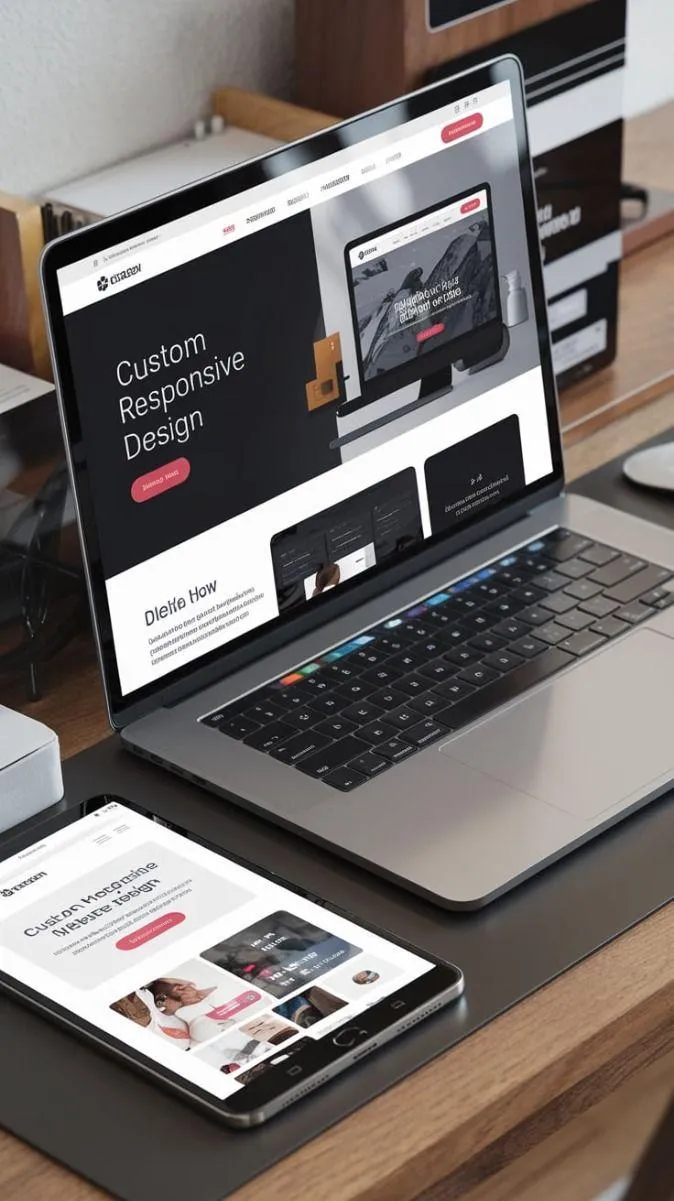
Mobile-First & Responsive
SEO-Ready Structure
Built for Growth
ABOUT US
Rooted in Vision, Crafted for Legacy
At SiteCraft, we weave digital homes that endure—where UI/UX design, web development, secure hosting, business branding, and professional email integration converge into seamless experiences. Born from the drive of a 22‑year‑old creator with hands in diverse industries, our craft is informed by real‑world knowledge and tailored to amplify each field we touch. Every solution is more than a service—it’s a bridge between resilience, artistry, and the future of your brand.
Our Process

Onboarding Document
We begin with a tailored onboarding guide—crafted to understand your company, your industry, and your unique rhythm. This document also maps out the journey ahead, clarifying what’s required from you and what you can expect from us.

Discovery Call & Invoices
A conversation that dives deep into your goals, how success will be measured, and the finer details of your project. This is where vision meets clarity. Following the call, you’ll receive a detailed invoice outlining the scope of work and its cost. Once the price is agreed upon, the foundation is set and creation begins.
Demo & Revisions
Within a week, you’ll receive a demo of your project. This phase includes three rounds of revisions to refine and perfect. Additional changes beyond these rounds are billed hourly and invoiced separately.
Publishing
When it’s time to go live, we handle the publishing process with care. If you own your domain, we’ll work alongside you; if not, we’ll take charge and secure everything on your behalf.

After Care
For two weeks after launch, you’ll have direct access to us for any queries—free of charge. This ensures a smooth transition and peace of mind as your digital presence takes root.
Contact Us
FAQS
What is the importance of responsive design in web development?
Responsive design is crucial in web development because it ensures that websites provide a consistent and optimal user experience across various devices and screen sizes. With the growing use of smartphones and tablets, users access websites from a wide range of devices. Responsive design enables the content to automatically adjust and adapt, ensuring readability, functionality, and visual appeal. This approach eliminates the need for separate mobile and desktop versions, making maintenance more efficient and reducing development costs. By prioritizing responsive design, you not only enhance user satisfaction but also improve your website's SEO rankings, as search engines favor mobile-friendly websites in their algorithms.
How does user experience (UX) design impact business success?
User experience (UX) design plays a pivotal role in determining the success of a business's digital products and services. A positive user experience leads to increased user engagement, satisfaction, and brand loyalty. When users find a product intuitive, easy to navigate, and enjoyable to use, they're more likely to convert into paying customers and recommend the product to others. Moreover, a well-designed user experience can reduce user frustration, leading to lower bounce rates and higher retention rates. Positive experiences foster a strong brand reputation, which in turn drives customer trust and loyalty, ultimately contributing to improved customer lifetime value and overall business growth.
What's the difference between UI and UX design?
UI (User Interface) design and UX (User Experience) design are related but distinct aspects of the design process. UI design focuses on the visual and interactive elements of a product, such as buttons, icons, layouts, and color schemes. It's responsible for creating an aesthetically pleasing and visually consistent design that aligns with the brand's identity. UX design, on the other hand, is concerned with the overall user journey and how users interact with the product. It involves user research, information architecture, wireframing, and prototyping to create a seamless and user-friendly experience. In short, UI design focuses on how a product looks, while UX design focuses on how it works and how users feel while using it. Both are crucial for creating successful and impactful digital products.